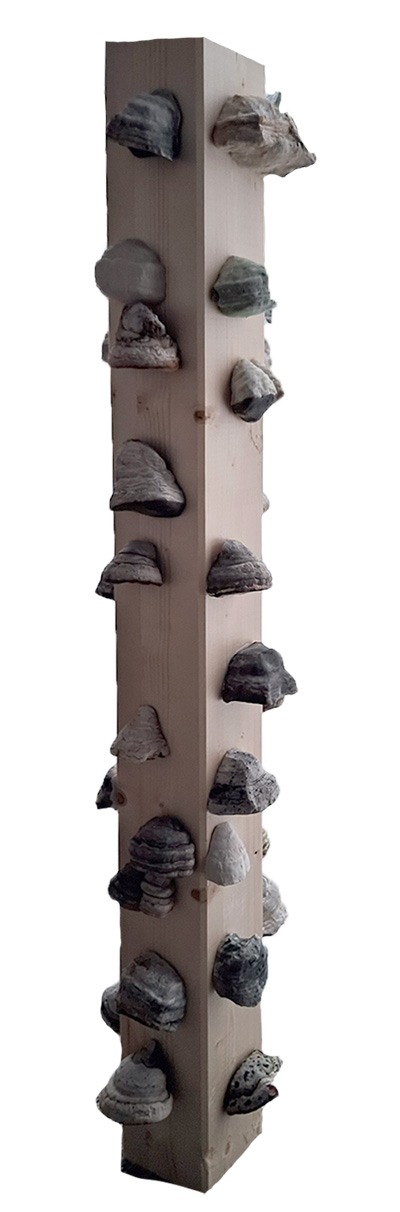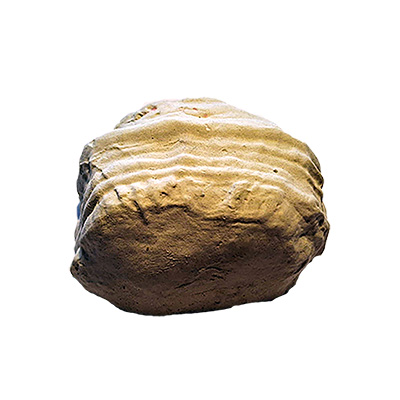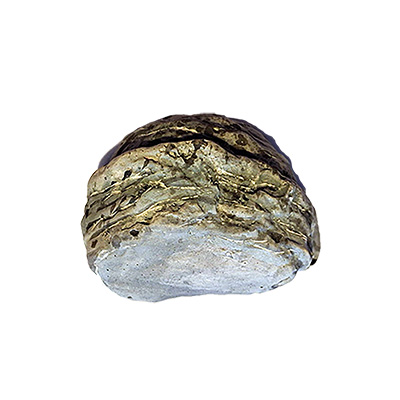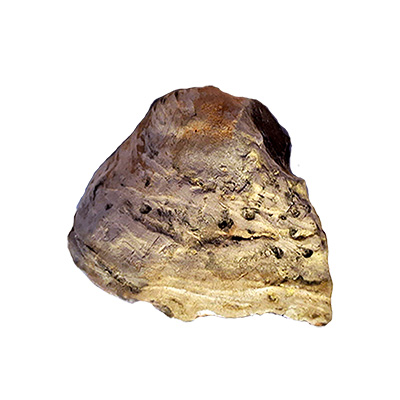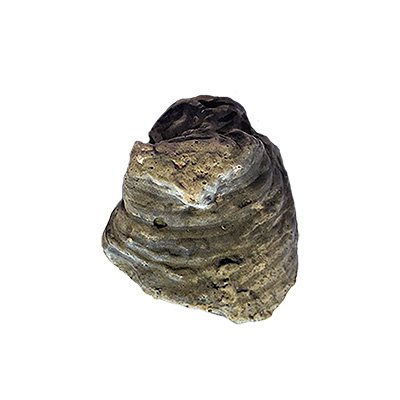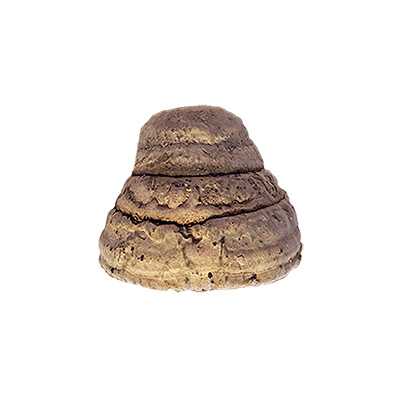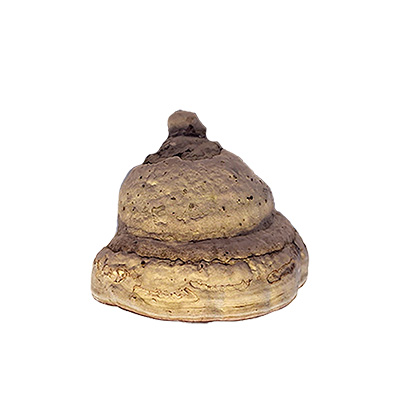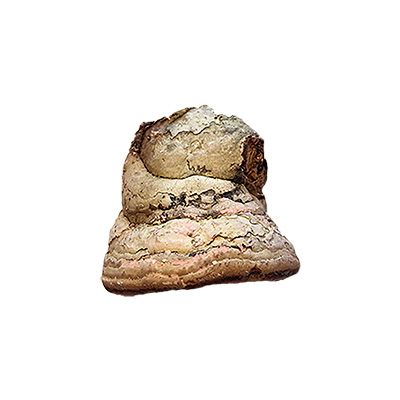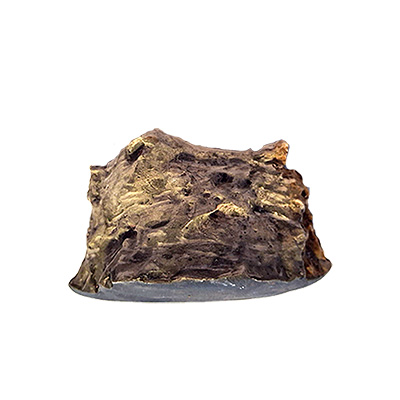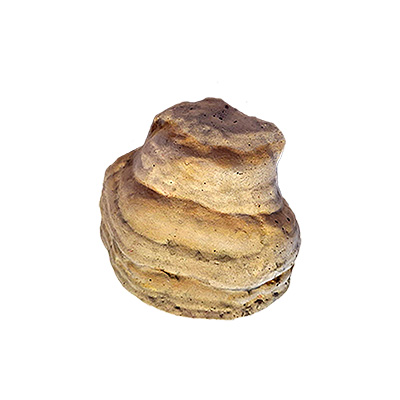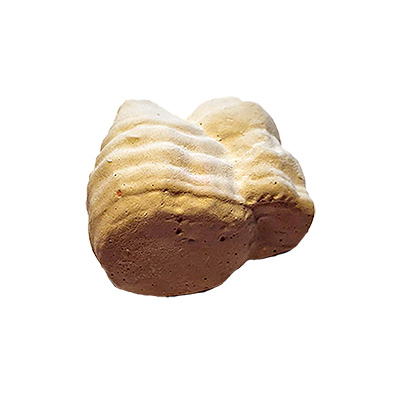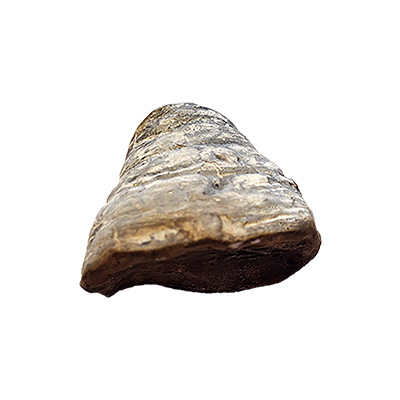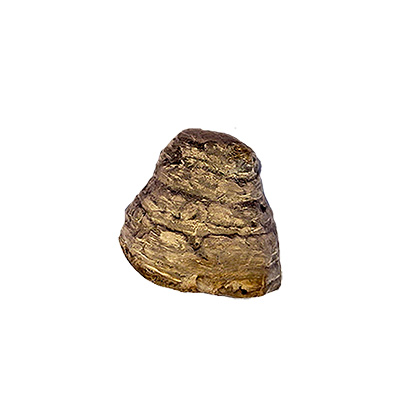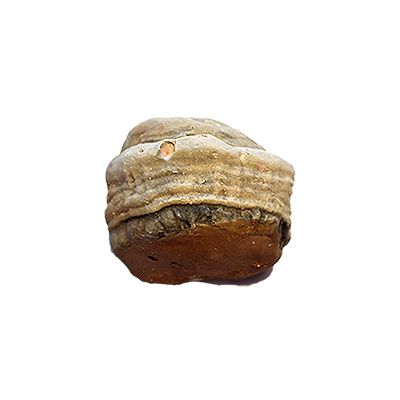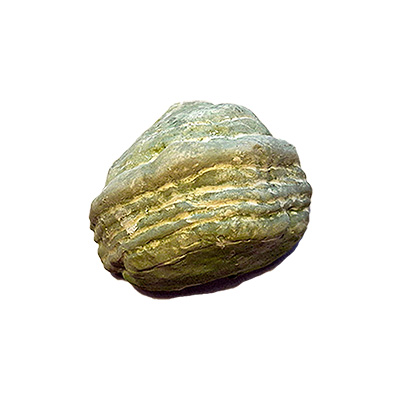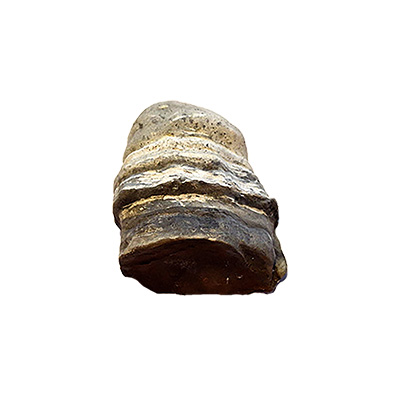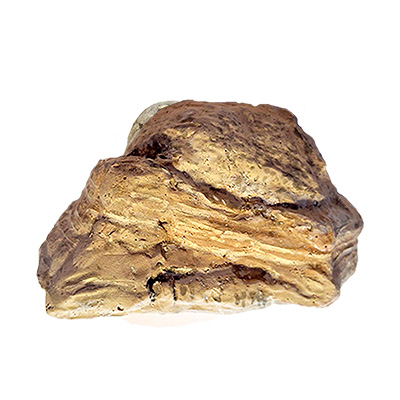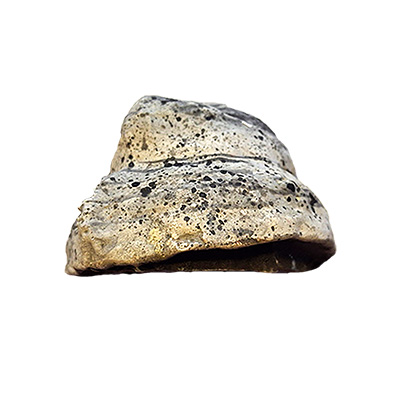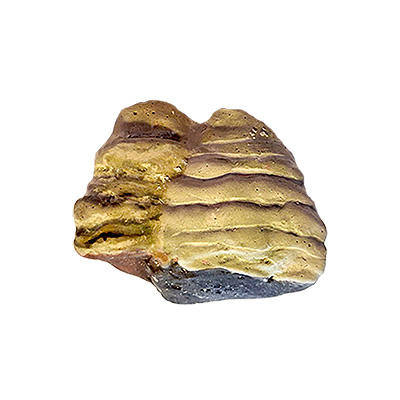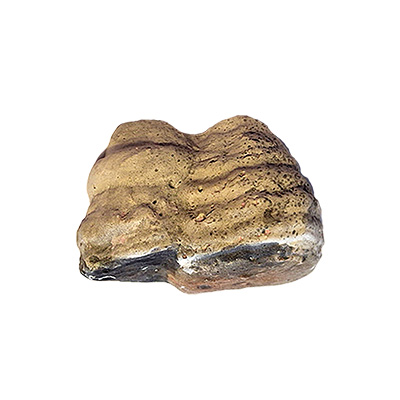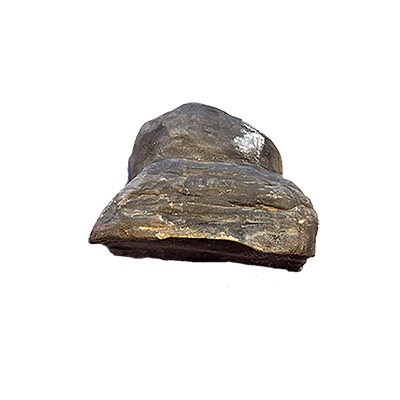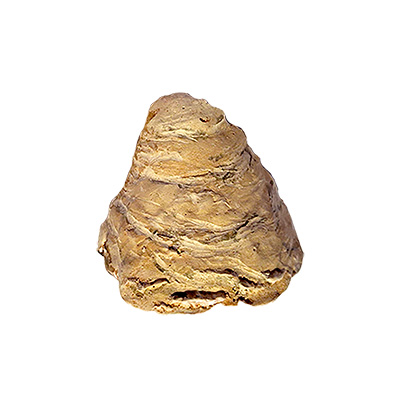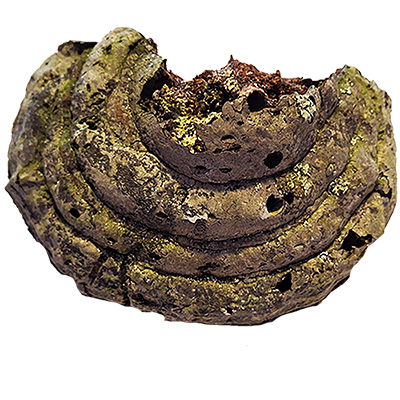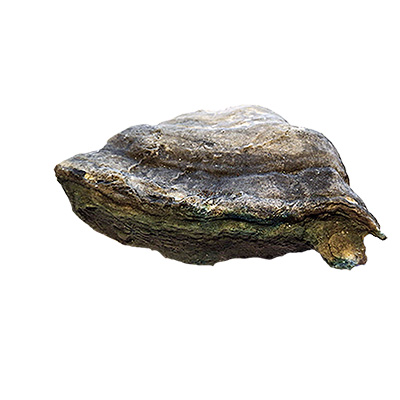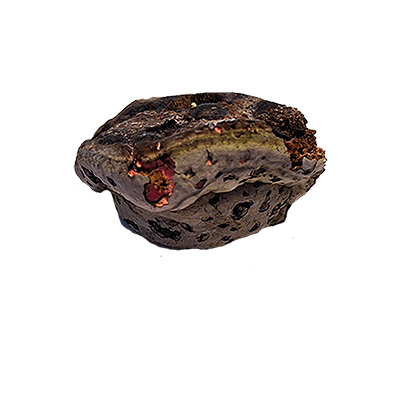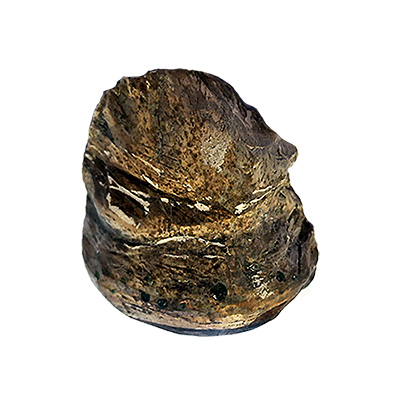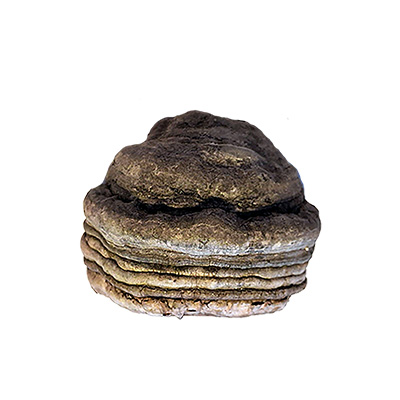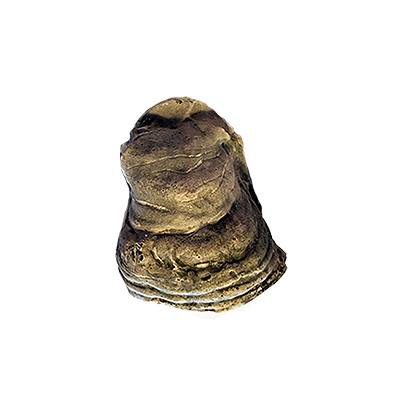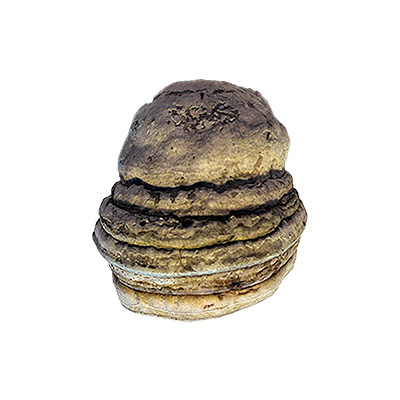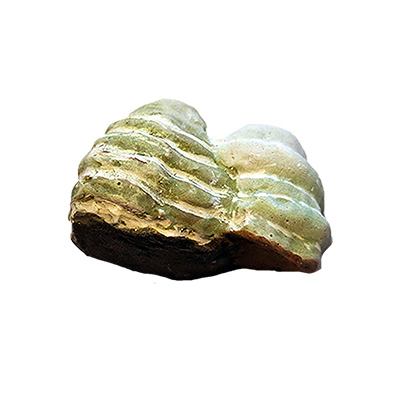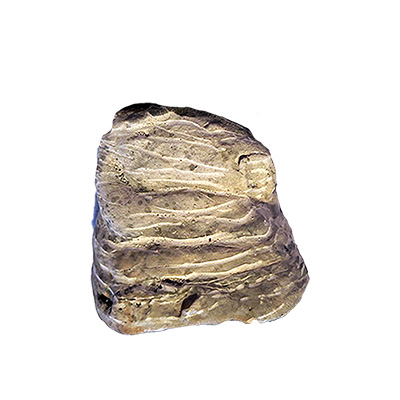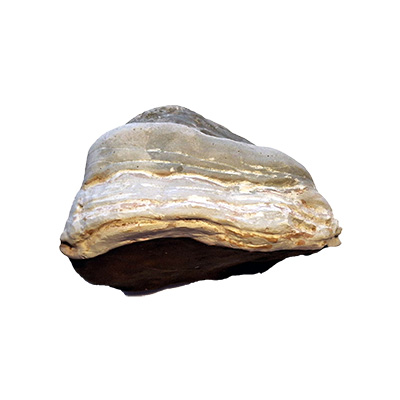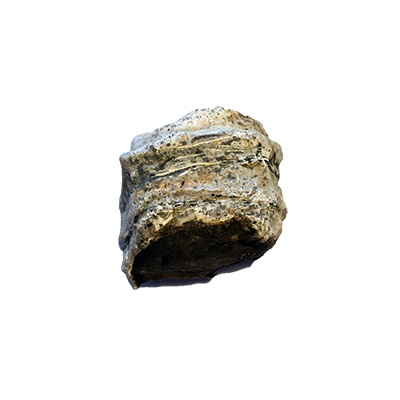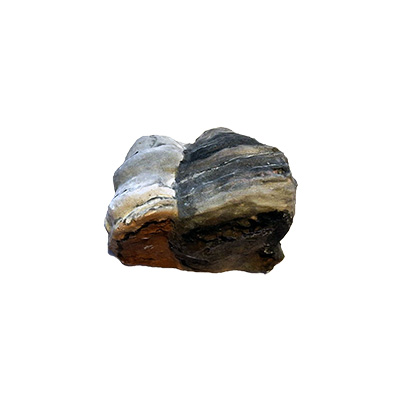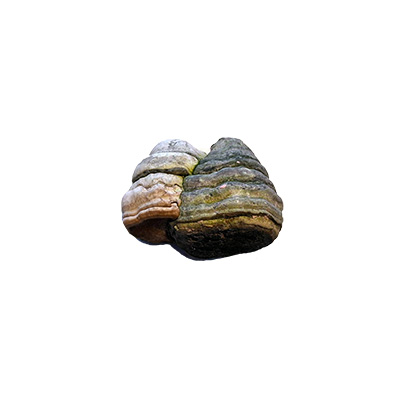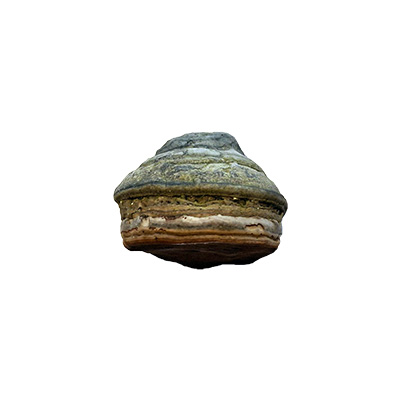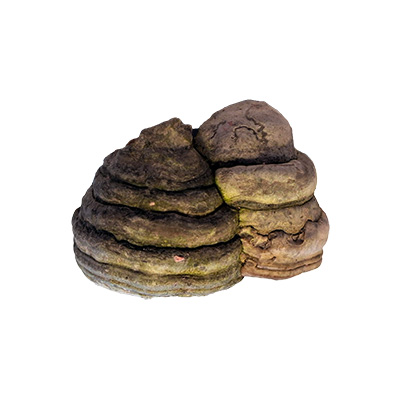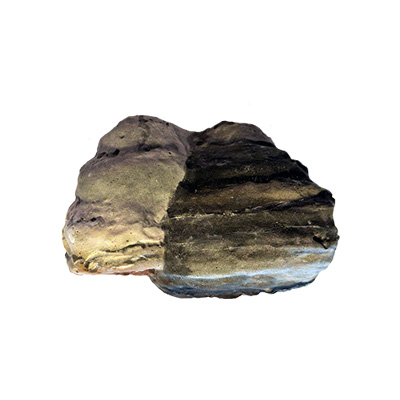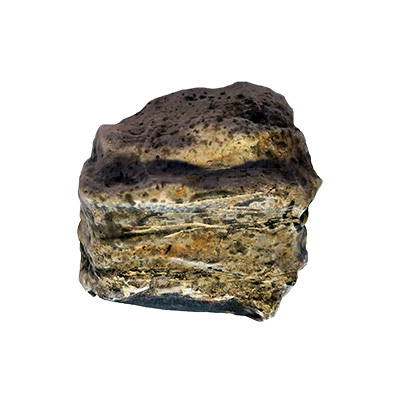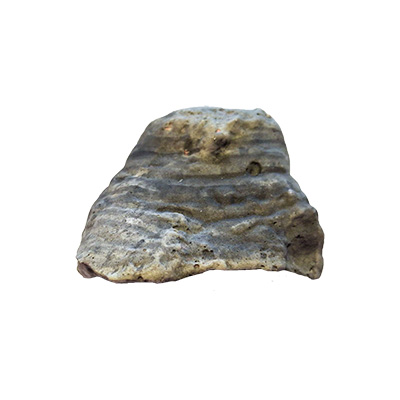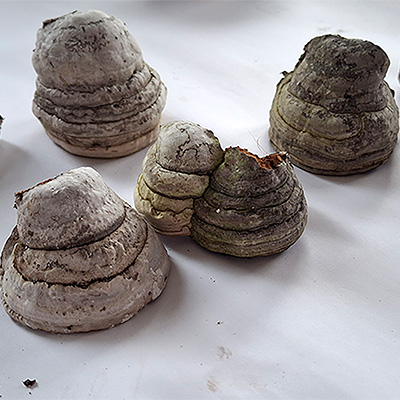
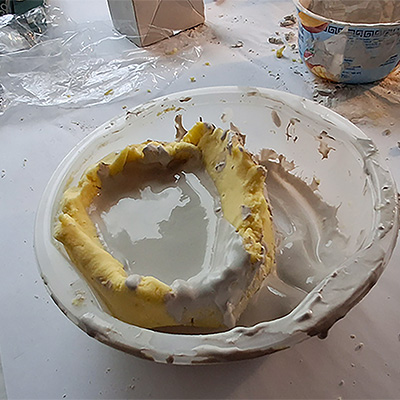
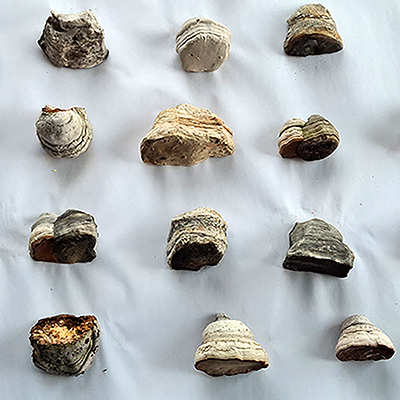
During my Serlachius Residency, I began making copies of wood-decay fungus in plaster as a commentary on Finland's forestry industry.
Wood-decay fungus are extremely important for the forest because they break down dead wood, return nutrients to the soil, provide a home and food for lots of insects and other organisms, and are an indicator of old, undisturbed forests, which contribute to biodiversity.
In other words, they help the forest to function as a healthy and productive environment. The forestry industry's focus on fast-growing young forest disadvantages wood-decay fungus that require old, untouched forest.
In 1868, Gustaf Adolf Serlachius established a groundwood mill in Mänttä, Finland, which grow into a significant forest industry empire known for paper, pulp, and a strong community focus, later evolving into the Serlachius Museums.
Gustaf Adolf Serlachius started collecting art, and later his successor Gösta Serlachius established a major art collection.
https://serlachius.fi/en/
Wood-decay fungi are an intermediate between animals and plants, each with an individual pattern and form.
Wood-decay fungus evolved from aquatic ancestors, colonizing land around the same time as plants, developing complex mechanisms to break down tough wood.
Thanks to:
Serlachius Residency
Konstsamfundet